Table of Contents
Introduction
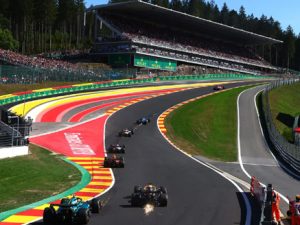
For racing enthusiasts, the thrill of the track can be as important as the race itself. Around the world, some racing tracks have become legendary, offering both challenging courses and breathtaking surroundings. This article explores the best racing tracks globally, making up a dream list for any ardent enthusiast looking to bask in the glory of speed and precision.
Iconic Racing Tracks
Several iconic tracks have stood the test of time, becoming favorites for both racers and fans.
Table: Iconic Tracks and Locations
| Track Name | Location | Notable Race |
|---|---|---|
| Monaco Grand Prix Circuit | Monaco | Formula One Monaco Grand Prix |
| Indianapolis Motor Speedway | USA | Indy 500 |
| Circuit de la Sarthe | France | 24 Hours of Le Mans |
Modern Favorites
In recent years, modern tracks with state-of-the-art facilities have emerged, captivating new generations of motor-racing fans.
Numbered List of Modern Favorites
- Yas Marina Circuit, Abu Dhabi
- Marina Bay Street Circuit, Singapore
- Circuit of the Americas, USA
A Dream for Every Racer
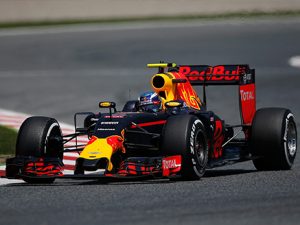
Whether you are a professional racer or an aficionado exploring historic and contemporary tracks, the world offers a diverse range of experiences. Each track has its unique charm and presents various challenges, making them a dream for every racer and fan alike.
Conclusion
Racing tracks around the world offer unforgettable experiences, not just for racers but for viewers as well. From the iconic Monaco Grand Prix to the modern engineering marvel of Circuit of the Americas, these tracks represent the pinnacle of motorsport. Enthusiasts must visit these venues to truly appreciate the confluence of speed, skill, and ambiance.
How Automotive Lighting Influences Insurance Ratings and Vehicle Safety Scores
Automotive lighting is more than just a convenience feature — it plays a crucial role in road safety, accident prevention, and even insurance risk assessments. From basic headlights to advanced adaptive lighting systems, the quality, type, and performance of a vehicle’s lighting can influence safety scores and insurance premiums. In…
Why Premium Cars Use Dynamic Turn Signals and How They Work
In recent years, dynamic turn signals have shifted from being a luxury feature to a hallmark of modern vehicle design — particularly in premium and high-end cars. These eye-catching lighting systems not only elevate a vehicle’s aesthetics but also enhance safety and communication on the road. In this article, we…
How Manufacturers Test Automotive Lighting for Durability and Weather Resistance
Automotive lighting is critical for driver safety, visibility, and compliance with international standards. Whether headlights, tail lamps, fog lights, or auxiliary lighting, every lighting component must endure a range of conditions — from scorching heat to freezing rain, from corrosion to vibration. To ensure reliability over tens of thousands of…
The Aerodynamics of Headlight Design: How Shape Influences Efficiency
In modern automotive engineering, every curve and contour of a vehicle serves a purpose. While exterior styling is meant to catch the eye, many design choices also serve functional goals — one of the most important being aerodynamics. Headlights, though often overlooked, are a critical element in shaping a car’s…
Projector vs. Reflector Headlights: Which Technology Performs Better?
The world of automotive lighting may seem technical, but choosing the right headlight technology can dramatically improve driving safety, visibility, and comfort. Two dominant technologies in modern vehicle lighting systems are projector headlights and reflector headlights. Each has its own advantages and limitations, and selecting the right option often depends…
Why Some Vehicles Have Adaptive Rear Lights and How They Work
In recent years, automotive lighting has rapidly evolved from simple brake and tail lamps to intelligent systems that actively improve safety and communication between vehicles. Among these innovations, adaptive rear lights have emerged as a sophisticated solution that enhances visibility, information, and responsiveness. This article explores why some vehicles have…
How to Choose Waterproof Lighting for Off-Road and Utility Vehicles
When you’re tackling rugged trails, muddy paths, or heavy-duty work sites, the right lighting can make the difference between smooth progress and costly delays. Waterproof lighting is essential for off-road and utility vehicles — from ATVs and UTVs to trucks and tractors — because these environments often expose your lights…
Cornering Lights: How They Improve Safety in Low-Speed Turns
When driving in urban areas, residential streets, or winding roads, low-speed turns can present unexpected hazards. Pedestrians, cyclists, and obstacles may be hidden just beyond the reach of standard headlights. This is where cornering lights come into play — a safety feature that significantly improves visibility during turns and enhances…
Headlight Ventilation Systems: Preventing Fogging and Moisture Buildup
Clear, bright headlights are essential for safe nighttime and all-weather driving. Yet many drivers experience an issue that reduces visibility and compromises headlight performance: fogging and moisture buildup inside the headlight housing. While a small amount of temporary condensation is normal, persistent fogging or visible water droplets indicate a ventilation…
How Headlight Auto-Leveling Works and Why Modern Cars Need It
Modern automotive lighting has advanced far beyond traditional bulbs. One of the most important innovations in vehicle safety is headlight auto-leveling — a system that automatically adjusts the vertical angle of headlights to maintain optimal road illumination. This technology ensures that drivers can see the road clearly without blinding oncoming…