In recent years, dynamic turn signals have shifted from being a luxury feature to a hallmark of modern vehicle design — particularly in premium and high-end cars. These eye-catching lighting systems not only elevate a vehicle’s aesthetics but also enhance safety and communication on the road. In this article, we explore why premium manufacturers adopt dynamic turn signals, how they work, their advantages, and what it means for everyday drivers.
Understanding Dynamic Turn Signals
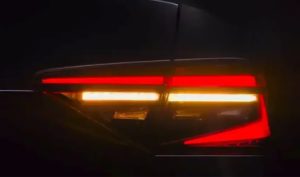
A dynamic turn signal — also known as a sequential turn signal — illuminates in a flowing pattern, usually from the inside to the outside of the light assembly. Unlike traditional turn indicators that simply blink on and off, dynamic signals create motion that naturally draws attention.
Visual Comparison
| Feature | Traditional Turn Signal | Dynamic Turn Signal |
|---|---|---|
| Lighting Style | Static on/off flashes | Progressive movement |
| Driver Feedback | Basic indication | High visibility & engagement |
| Aesthetic Appeal | Standard appearance | Premium & modern look |
| Safety Impact | Moderate | Enhanced recognition |
Why Premium Cars Use Dynamic Turn Signals
Premium automakers invest in dynamic turn signals for several strategic and functional reasons:
1. Enhanced Safety
Human eyes are attuned to motion. A moving light pattern can be recognized more quickly than a flashing static bulb. This reduces the time it takes for other drivers and pedestrians to notice the signal — especially in daylight or heavy traffic.
2. Brand Identity and Differentiation
Luxury brands like Audi, BMW, and Mercedes-Benz use dynamic lighting as a visual signature. It reinforces a consistent brand identity and creates an emotional connection with consumers who value attention to detail.
3. Technological Perception
Dynamic turn signals signal sophistication. They suggest that the vehicle uses advanced electronics and intelligent lighting systems, which enhances the perception of overall quality.
4. Improved Communication
Dynamic signals can convey intention more clearly. The sequential flow mimics directional movement, making the driver’s intent unmistakable to others.
How Dynamic Turn Signals Work
Dynamic turn signals are not just flashy LEDs — they involve a synchronized control system that orchestrates light movement in a precise pattern.
Key Components
-
Controller Module – The “brain” that manages signal timing.
-
LED Arrays – Multiple light emitters arranged to create movement.
-
Power Supply – Stable current to ensure consistent illumination.
-
Software Logic – Programmed sequencing patterns.
Explaining the Sequence
When the driver activates the turn indicator:
-
The controller detects the signal.
-
Power flows to the first LED segment.
-
The software logic activates subsequent LEDs in timed intervals.
-
The pattern moves outward (or inward), depending on design.
-
Once complete, the system pauses and repeats the sequence until the signal is canceled.
In some vehicles, dynamic signals can also integrate with daytime running lights or ambient configurations for enhanced effect.
Benefits Beyond Aesthetics
Safety Advantages
-
Increased Visibility: Especially in low-light situations.
-
Faster Recognition: Motion cues are detected faster by human perception.
-
Pedestrian Awareness: Audible & visual combinations enhance urban safety.
Technical Advantages
-
LED Durability: Longer lifespan compared to traditional bulbs.
-
Lower Energy Consumption: LEDs require less power and generate less heat.
-
Adaptive Lighting Integration: Can work with lane assist systems and adaptive headlight technology.
Consumer Appeal
From buyers’ perspective, dynamic turn signals are perceived as:
-
A premium upgrade
-
A modern customization
-
A sign of quality and safety commitment
List: Cars That Commonly Use Dynamic Turn Signals
Modern vehicles across various segments now use dynamic turn signals. Examples include:
-
Audi A4 / A6 / Q5 series
-
BMW 3 Series / 5 Series
-
Mercedes-Benz C-Class / E-Class
-
Lexus RX / ES models
-
Ford Mustang (select trims)
-
Mazda 3 / CX-5 (recent generations)
-
Jeep Wrangler (certain editions)
These vehicles demonstrate how dynamic lighting has trickled down from flagship supercars to mainstream premium models.
Common Misconceptions
It’s important to address some common myths:
-
“They drain the battery faster.”
Dynamic lights use efficient LEDs and typically draw less power than traditional bulbs. -
“They are just for show.”
While visually striking, their design purpose is rooted in visibility and communication. -
“They are expensive to maintain.”
LEDs tend to last longer than incandescent bulbs, reducing maintenance costs over time.
Installation and Aftermarket Options

For owners looking to upgrade older cars, dynamic turn signal kits are available. These kits often include:
-
LED signal housings
-
Controller modules
-
Wiring harnesses
-
Detailed installation instructions
Before purchasing, ensure compatibility with your vehicle’s electrical system. Upgrading to dynamic signals can modernize your vehicle’s look and improve safety without replacing the entire lighting system.
If you’re looking to upgrade your car with quality lighting solutions, check out Buy Car Lighting online for a wide range of lighting components and accessories.
Conclusion
Dynamic turn signals are more than just a stylish touch on premium cars — they are the result of thoughtful engineering focused on safety, visibility, and brand identity. By harnessing motion and intelligent control systems, these lighting features improve communication between drivers and road users, making roads safer and vehicles more eye-catching. Their growing presence across automotive brands reflects both consumer demand and technological progress. Whether you drive a luxury sedan or a compact SUV, dynamic turn signals are a smart upgrade that blends innovation with practical benefits — and with the right products, you can bring this modern lighting to your vehicle too.