In modern automotive engineering, every curve and contour of a vehicle serves a purpose. While exterior styling is meant to catch the eye, many design choices also serve functional goals — one of the most important being aerodynamics. Headlights, though often overlooked, are a critical element in shaping a car’s airflow. Their shape, placement, and surface characteristics can influence drag, fuel efficiency, and even stability at high speeds. In this article we explore how headlight design affects a vehicle’s aerodynamic performance, and how thoughtful engineering balances aesthetics with efficiency.
Before diving deeper, if you’re considering upgrades or replacements, you can Buy Car Lighting online from a wide range of quality parts.
Why Aerodynamics Matter
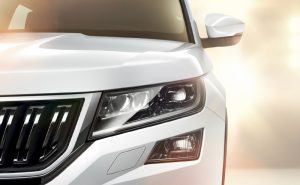
Aerodynamics determines how air moves around a vehicle. Poor airflow increases drag, which forces the engine to work harder—lowering fuel economy and increasing emissions. Headlights can either help smooth airflow or disrupt it, depending on their shape and integration into the bodywork.
Key aerodynamic goals in automotive design include:
-
Reducing drag
-
Improving fuel efficiency
-
Enhancing high‑speed stability
-
Managing airflow to cooling systems
Headlights that protrude or create sharp edges can disturb airflow, increasing turbulence and drag. Conversely, seamless, streamlined headlights guide the air along the body more efficiently.
The Role of Headlight Shape
A headlight’s shape affects how air flows over a vehicle’s front. Designers aim to minimize flow separation—the point where smooth airflow breaks away from the surface. Separated flow increases drag and creates vortices that waste energy.
Table: Headlight Shape and Airflow Effects
| Headlight Shape / Feature | Effect on Airflow | Efficiency Impact |
|---|---|---|
| Flush‑mounted, curved lens | Smooth air guidance | Lower drag, better mpg |
| Protruding housing | Flow separation | Higher drag, lower mpg |
| Sharp edges around light units | Turbulence creation | Increased drag |
| Integrated air channels/grooves | Directed airflow to reduce eddies | Improved stability |
| Deep recesses or gaps | Air pockets and vortices | Increased aerodynamic losses |
Smooth and integrated headlights help air glide over the car with minimal disturbance. Many modern vehicles use flush designs, where headlights blend seamlessly with the hood and fender lines.
Key Design Strategies to Improve Aerodynamics
Designers and engineers apply several strategies to improve headlight aerodynamics:
1. Surface Continuity
Maintaining a continuous surface from the hood to the fender reduces flow disruptions. Gaps between panels are minimized, and headlights often extend into body lines for a cohesive surface.
2. Curvature and Slope
Gentle curves and sloped surfaces help split and guide airflow efficiently. More curved headlights create less adverse pressure, reducing drag.
3. Integrated Air Channels
Some headlights incorporate small ducts or channels that guide air toward functional areas like brake cooling or heat exchangers without causing drag.
4. Lens Smoothness and Coatings
A smooth lens surface reduces skin friction drag. Anti‑reflective or low‑friction coatings also help maintain laminar flow.
List: Aerodynamic Headlight Features
-
Flush mounting
-
Seamless integration into body panels
-
Curved and sloped surfaces
-
Channeling for controlled airflow
-
Minimal gaps and edges
Real‑World Impact on Performance
Aerodynamic improvements may seem incremental, but they matter significantly at highway speeds. Even a small reduction in drag can lead to measurable gains in fuel economy and top‑end performance.
-
Fuel Efficiency: Every 10% reduction in drag can result in up to 5–10% better highway fuel economy.
-
High‑Speed Stability: Smoother airflow over the headlights reduces lift and unwanted front‑end disturbances.
-
Noise Reduction: Better airflow translates to less wind noise around the cabin at speed.
Balancing Aesthetics with Functionality
While aerodynamics is critical, automotive designers must also meet market demands for style, brand identity, and headlight performance (brightness, beam pattern, etc.). This balance often leads to innovative solutions where form meets function.
For example:
-
Some high‑performance cars use active aerodynamic elements that adjust airflow according to speed.
-
Premium lighting technologies like LED or matrix headlights allow for smaller, more streamlined housings without compromising illumination.
Aerodynamics Beyond Headlights
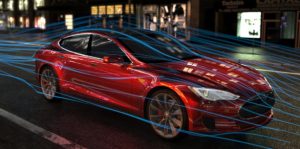
Although headlights play a role, they are just one component of the overall aerodynamics package. Designers consider many other factors including:
-
Front bumper shape
-
Hood contour
-
Wheel arch airflow
-
Underbody panels
-
Rear diffuser design
Each element cooperates to create a cohesive airflow path that improves efficiency.
Maintenance and Efficiency
Even the best headlight design can lose its aerodynamic benefits if the lens is damaged or fogged. Regular maintenance keeps the surface clean and smooth. Consider upgrades when headlights become worn or outdated — high‑quality replacements can restore both lighting performance and aerodynamic function.
To explore options, you can Buy Car Lighting online and ensure your vehicle’s lighting is both stylish and efficient.
Conclusion
Headlight design is more than just a visual element — it’s a critical contributor to a vehicle’s aerodynamic performance. From reducing drag to enhancing stability and efficiency, the shape and integration of headlights influence how air flows across the front of the car. Modern automotive engineering blends aesthetic appeal with functional efficiency, creating headlight systems that are both visually impressive and aerodynamically optimized.
When upgrading or replacing lighting components, choose designs that align with both your vehicle’s performance needs and aerodynamic goals. Don’t forget—quality parts can be found when you Buy Car Lighting online to keep your ride efficient, safe, and stylish.