When driving in urban areas, residential streets, or winding roads, low-speed turns can present unexpected hazards. Pedestrians, cyclists, and obstacles may be hidden just beyond the reach of standard headlights. This is where cornering lights come into play — a safety feature that significantly improves visibility during turns and enhances overall driving safety.
Cornering lights are auxiliary lamps that activate when the vehicle turns the steering wheel or signals to turn. They cast light in the direction the vehicle is turning, illuminating areas that regular headlights often miss. By extending the driver’s field of vision, these lights provide critical information about the road environment, especially in low-light conditions.
What Are Cornering Lights?
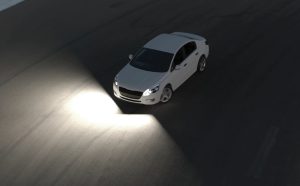
Cornering lights are integrated into the vehicle’s front lighting system. Unlike high beams or fog lights, cornering lights focus on lateral illumination — lighting up the side area toward which the vehicle is turning. They can be:
-
Built-in from factory
-
Added as aftermarket upgrades
-
Integrated with adaptive lighting systems
How Cornering Lights Work
The operation of cornering lights is generally automatic and tied to:
-
Steering Angle
-
Turn Signals
-
Vehicle Speed (low-speed threshold)
When the system detects a turn signal or significant steering angle at low speeds (usually below 20–30 km/h), the cornering light activates. It stays on until the vehicle straightens up or exceeds the defined speed limit.
Benefits of Cornering Lights
Here are the key safety and usability benefits:
-
Improved visibility around corners
-
Early detection of pedestrians and obstacles
-
Reduced risk of accidents in poorly lit zones
-
Enhanced driver confidence at night
-
Better illumination in parking lots and tight turns
1. Night-Time Residential Driving
Children or pets could be near the sidewalk. Cornering lights reveal them earlier than headlights alone.
2. Tight Parking Lots
Curved paths and hidden obstacles become visible, reducing bump-ins and scrapes.
3. Rural Roads
Animals crossing at night often appear from the side — illuminated just in time.
Types of Cornering Lights
Cornering lights are available in different formats:
Factory-Installed Systems
These are often part of premium lighting packages on newer vehicles. They may include:
-
Adaptive front lighting
-
LED or HID bulbs
-
Steering-linked activation
Aftermarket Cornering Lights
Drivers can upgrade older vehicles with:
-
Plug-and-play LED units
-
Wiring harness kits
-
Switch-activated corner lamps
Installation Considerations
Before installing cornering lights, consider:
-
Compatibility with vehicle wiring
-
Bulb type (LED, halogen)
-
Legal regulations in your area
-
Proper aiming and alignment
Pro Tip: Professional installation reduces the risk of incorrect wiring and misalignment.
Top Features to Look For
When choosing cornering lights, prioritize:
-
Brightness (lumens rating)
-
Durability (waterproofing and heat resistance)
-
Beam pattern quality
-
Brand reputation
-
Ease of installation
Integrating with Other Lighting Upgrades
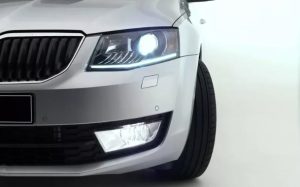
Cornering lights work well alongside:
-
Daytime Running Lights (DRLs)
-
LED Headlight Conversions
-
Fog Light Upgrades
-
Adaptive Lighting Systems
Upgrading your lighting package not only improves style but also enhances safety. To explore a wide range of lighting options, check out Buy Car Lighting online — a curated selection of bulbs, lamps, and accessories for all vehicle types.
Conclusion
Cornering lights are a smart, safety-enhancing feature for any driver. They bridge the gap between standard headlights and real road conditions — especially during low-speed maneuvers. By casting light exactly where you need it during turns, these lamps reduce blind spots, improve reaction time, and ultimately prevent accidents.
Whether you’re navigating tight city corners or rural curves, cornering lights offer a clear advantage in visibility and confidence. For reliable lighting upgrades that improve safety and performance, be sure to Buy Car Lighting online and find the right solutions for your vehicle.