Automotive lighting is more than just a convenience feature — it plays a crucial role in road safety, accident prevention, and even insurance risk assessments. From basic headlights to advanced adaptive lighting systems, the quality, type, and performance of a vehicle’s lighting can influence safety scores and insurance premiums. In this article, we explore how lighting impacts safety ratings, affects insurance evaluations, and what drivers should know to improve both.
Why Automotive Lighting Matters
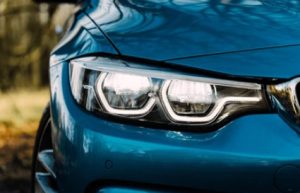
Proper lighting contributes to visibility — for drivers to see the road ahead and for other road users to recognize a vehicle’s position and intentions. In safety testing and insurance risk models, lighting performance directly correlates with accident likelihood.
Lighting and Safety Evaluation
| Factor | Impact on Safety | Influence on Ratings |
|---|---|---|
| Headlight luminance | Improves night visibility | Positive effect |
| Adaptive lighting | Reduces blind spots | Higher safety score |
| Signal clarity | Better communication | Lower accident risk |
| Brake light performance | Quicker driver reaction | Positive feedback |
Insurance companies often evaluate vehicles based on their safety features. Good lighting can reduce the risk of collisions and thus may contribute to lower insurance premiums.
Types of Lighting and Their Safety Influence
Modern vehicles use several lighting technologies, each with unique safety impacts. Here’s how the main types influence safety ratings and insurance considerations:
1. Halogen Lights
-
Pros: Inexpensive, widely available
-
Cons: Lower visibility range
-
Safety Impact: Basic protection, standard insurance rating
2. LED Lights
-
Pros: Brighter, longer lifespan, energy efficient
-
Cons: Higher cost
-
Safety Impact: Enhanced visibility, often better safety scores
3. Xenon/HID Lights
-
Pros: Strong illumination
-
Cons: More glare if misaligned
-
Safety Impact: Higher visibility but requires correct setup
4. Adaptive Lighting Systems
-
Pros: Adjust light pattern based on steering and speed
-
Cons: Most expensive
-
Safety Impact: Top-tier safety recognition
How Lighting Affects Insurance Ratings
Insurance companies increasingly use vehicle safety data when determining premiums. Lighting impacts ratings through:
1. Accident Reduction
Vehicles with superior lighting often show fewer night-time accidents — a key metric insurers analyze.
2. Safety Test Results
Organizations such as Euro NCAP and IIHS include lighting performance in overall safety scores. Higher scores generally correlate with better insurance rates.
3. Advanced Feature Detection
Smart lighting like adaptive beams and cornering lamps signal modern safety systems. These features can reduce risk ratings used in insurance algorithms.
List: Key Lighting Features That Improve Safety Scores
-
Automatic high beams
-
Adaptive front-lighting system (AFS)
-
LED daytime running lights (DRLs)
-
High-quality signal/indicator lights
-
Brake light intensity calibration
-
Cornering lights
Each of these contributes to greater visibility for drivers and pedestrians alike.
Practical Benefits for Drivers
Here’s how lighting translates to real-world gains:
-
Better Night-Time Driving: Increased reaction time
-
Lower Accident Risk: Fewer blind spots and glare
-
Insurance Savings: Safer cars often mean lower premiums
-
Higher Resale Value: Buyers value modern safety features
Upgrading Your Vehicle’s Lighting
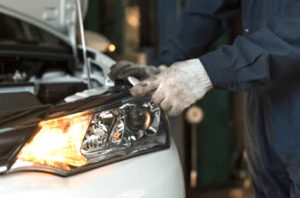
Older vehicles often come with basic lighting that may not meet modern safety expectations. Upgrading to advanced LED systems or better-quality signal lights improves performance and safety. Before making a purchase, compare products, specifications, and compatibility with your vehicle.
To explore a wide range of automotive lighting options, check out Buy Car Lighting online — from headlamps to signal lights and more.
Common Misconceptions About Lighting and Insurance
Some drivers wrongly assume:
-
“Changing lights won’t affect my insurance.”
The truth: insurers consider safety features in their risk models. -
“Brighter lights are always better.”
Glare can be dangerous if lights are misaligned or too intense without proper aim. -
“Only new cars benefit.”
Aftermarket upgrades can still improve visibility and safety.
Conclusion
Automotive lighting plays a remarkable role in safety and insurance evaluations. From enhancing night visibility to reducing accident risks, quality lighting systems not only make driving safer but can also contribute to better safety scores and potentially lower insurance premiums. As vehicles continue to adopt more advanced lighting technologies, drivers benefit from improved protection and peace of mind. Whether you’re buying a new vehicle or upgrading your current one, investing in high-quality lighting is a smart move — both for safety and for your insurance rating.